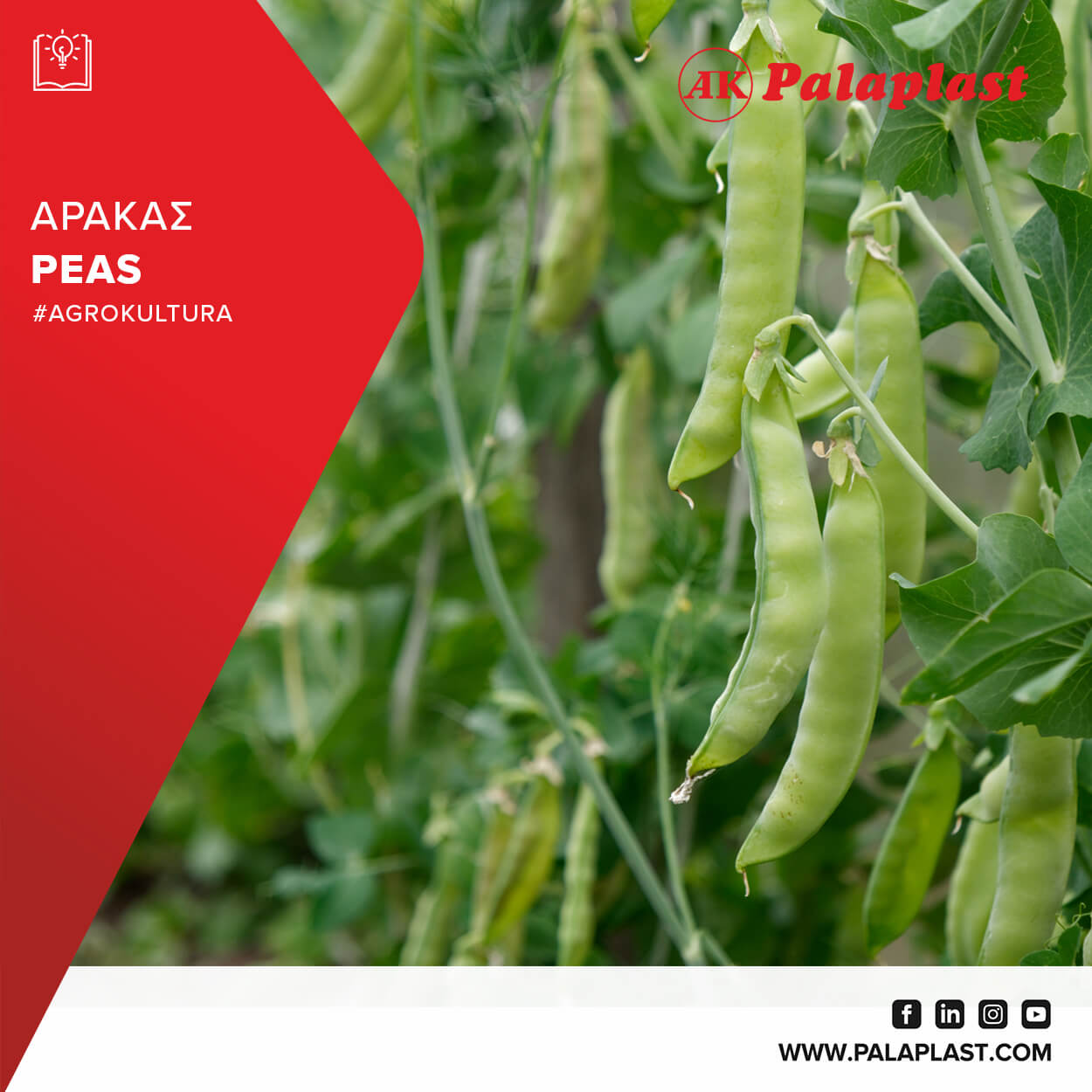
PEAS
PEAS Peas (Pisum sativum) is an annual legume that thrives in cold climates without severe frosts. Sowing takes place either in autumn or spring, depending on the region and the climatic conditions. There are climbing, semi-climbing and dwarf varieties, which vary in height and way of development. Pea cultivation: Sowing Peas prefer soils that… Read More …
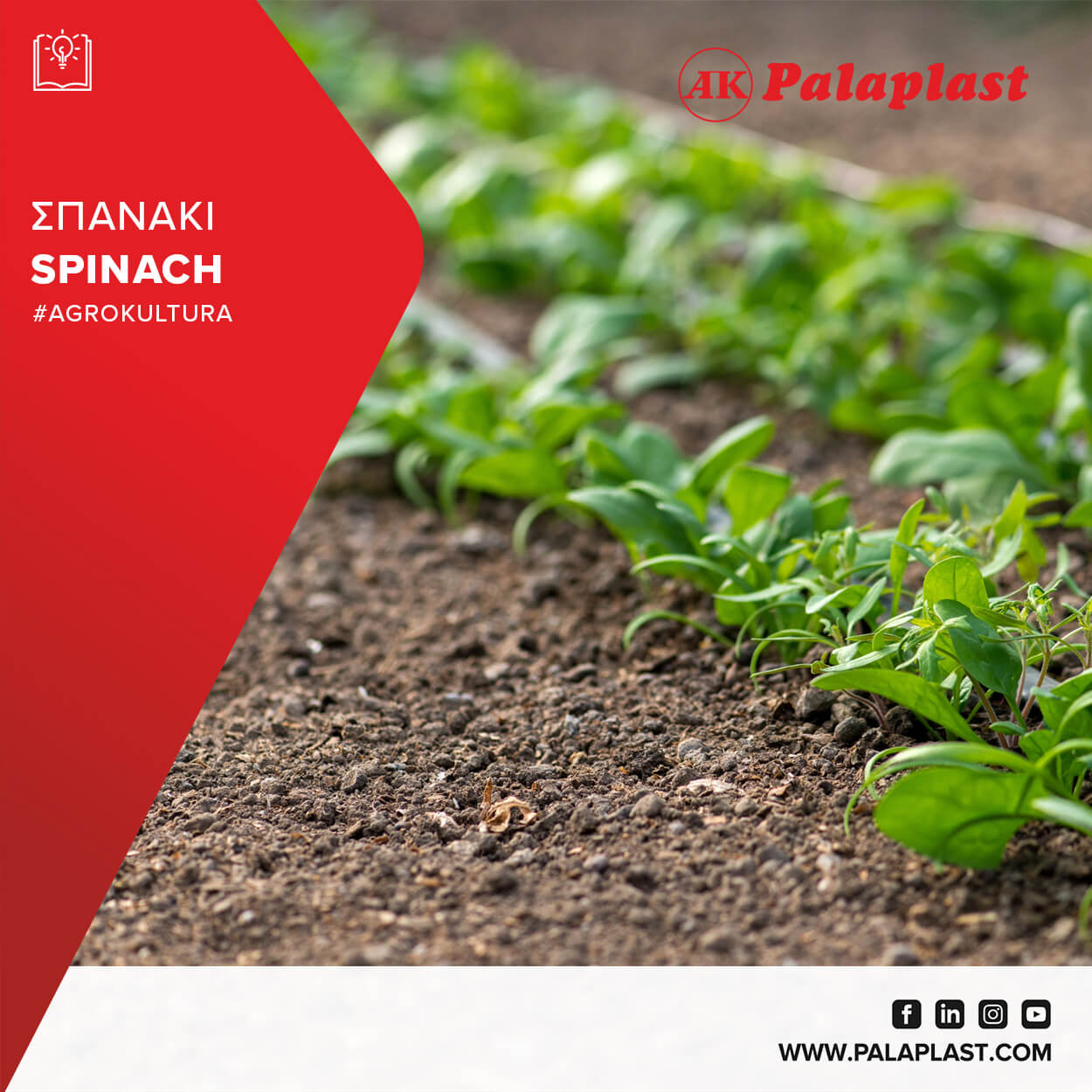
SPINACH: Cultivation Characteristics and Irrigation.
Spinach, scientifically named Spinacia oleracea and classified under the Chenopodiaceae family, is a popular leafy vegetable with high nutritional value, rich in vitamins A, C, and K, as well as iron and magnesium. It is an annual herbaceous plant originally from Asia, now primarily cultivated in Europe and North America. Spinach is a cool-season… Read More …
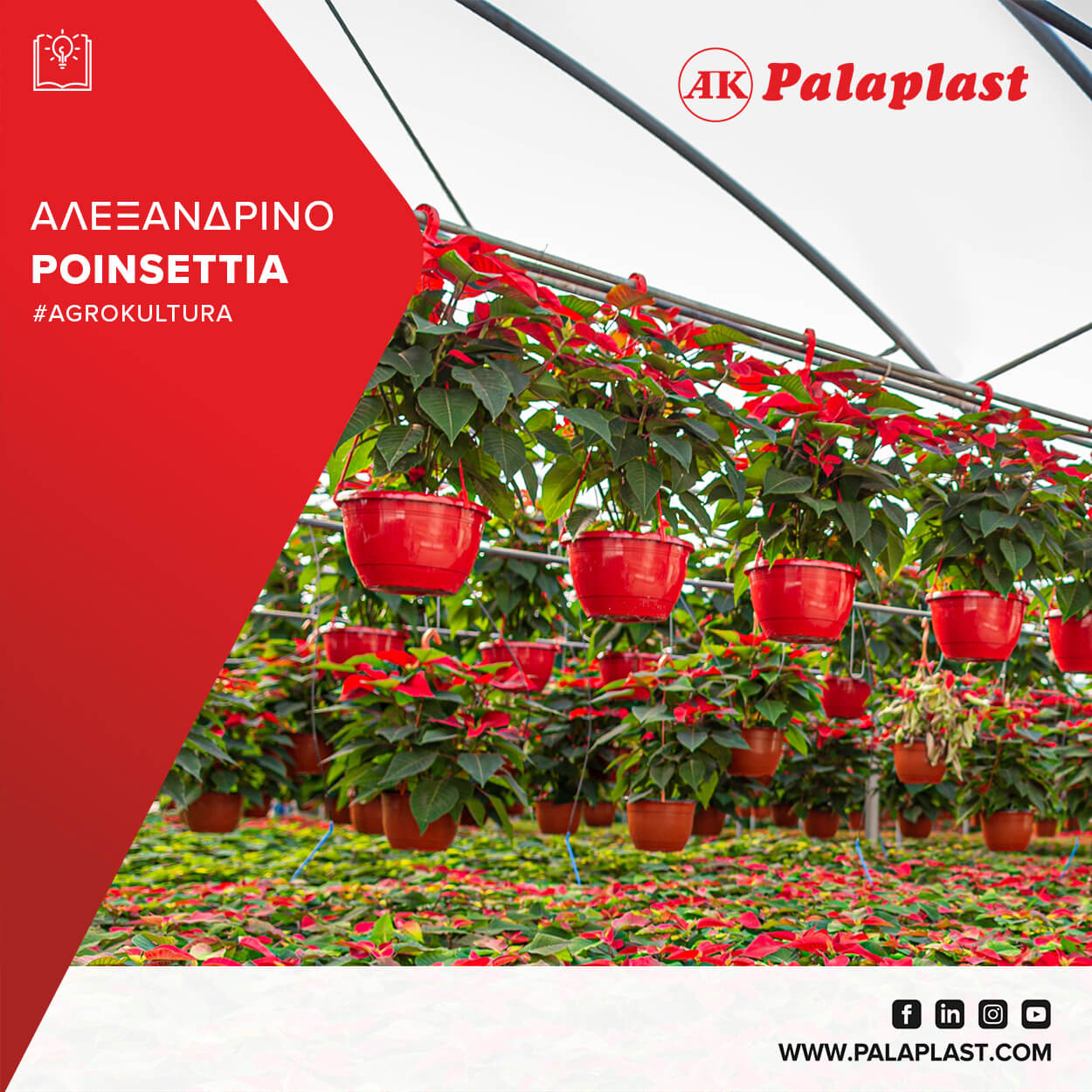
Poinsettia Perfection: Care Tips for the Holiday Star!
As Christmas and New Year approach, bringing their unique festive atmosphere, it’s the perfect opportunity to decorate our spaces with beautiful Christmas flowers and plants. These decorations add a celebratory touch to both indoor and outdoor areas. Naturally, beyond the undisputed king of Christmas—the Christmas tree—there are many other plants and flowers closely associated… Read More …
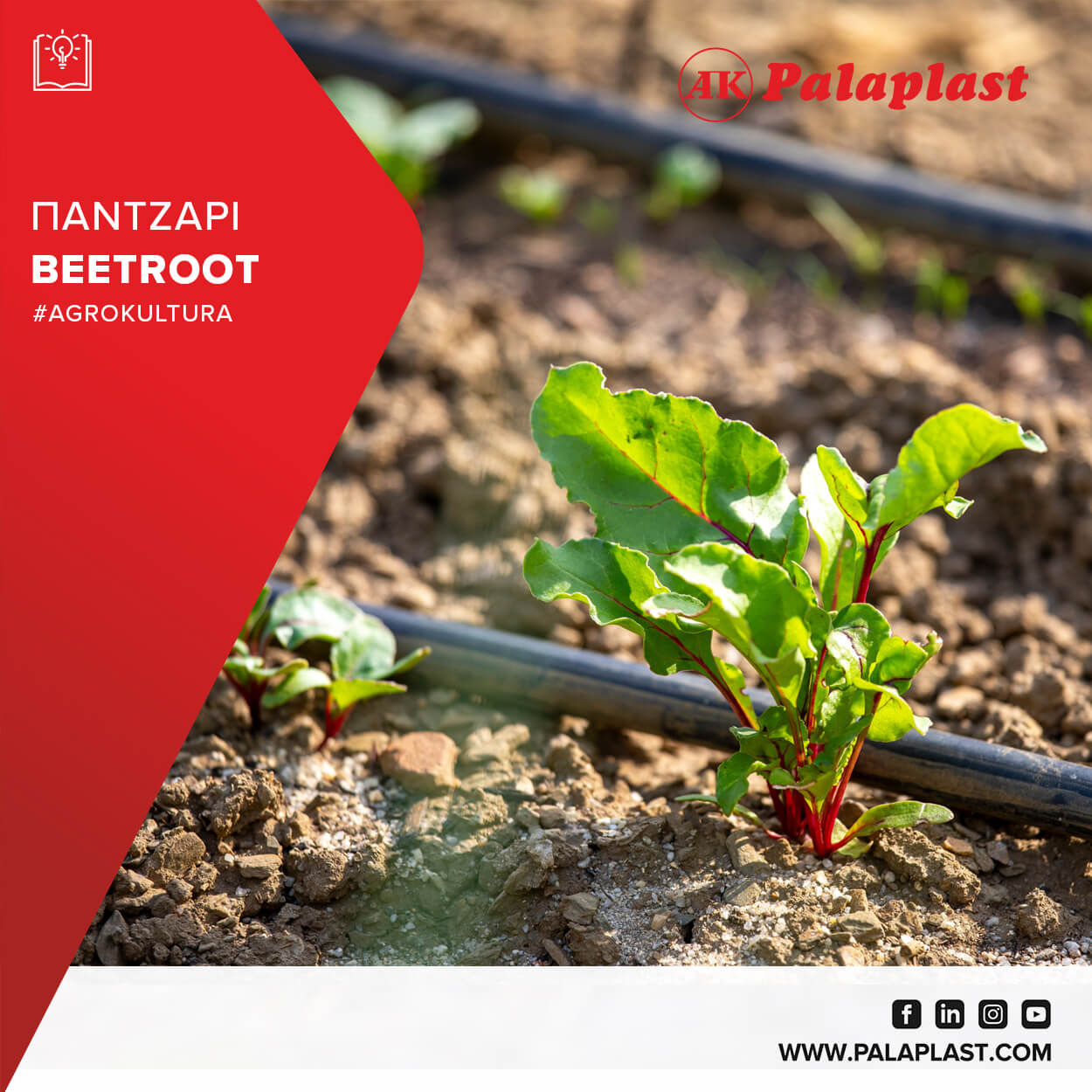
BEETROOT: Cultivation Characteristics and Irrigation
BEETROOT: Cultivation Characteristics and Irrigation Beetroot, scientific name Beta vulgaris of the Amaranth family (Chenopodiaceae), is an important crop, cultivated both for its root and leaves. Beetroot is a biennial plant, but it is usually grown as an annual for the harvest of its root and leaves, while in the second year it… Read More …
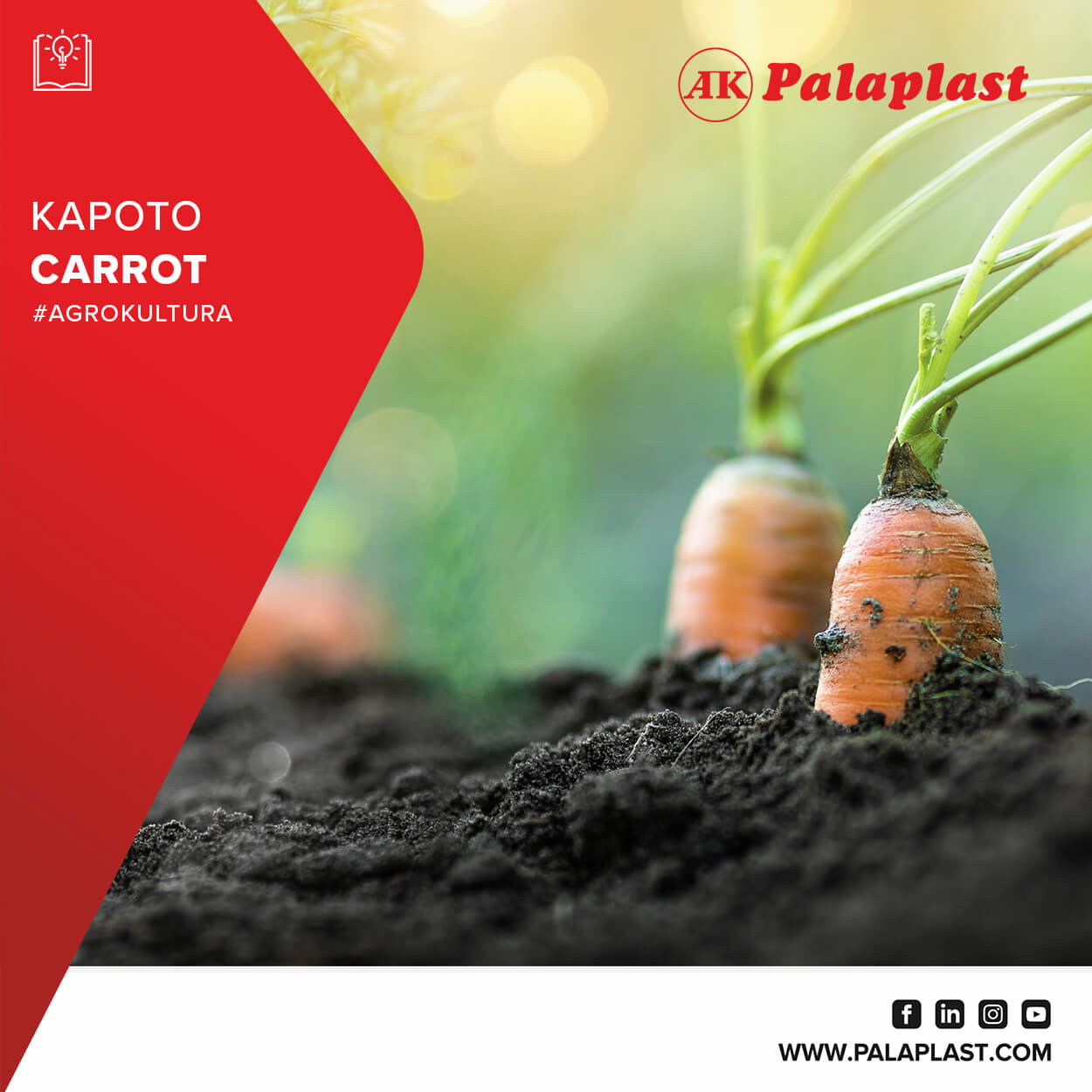
CARROT: Cultivation Characteristics and Irrigation
CARROT: Cultivation Characteristics and Irrigation Carrot (scientific name: Daucus carota, family: Apiaceae or Umbelliferae) is a biennial root vegetable widely cultivated for its edible roots, which are rich in nutrients, particularly beta-carotene, a precursor of vitamin A. Carrots are also a good source of vitamins B1, B2, and niacin. Wild carrots originate from… Read More …
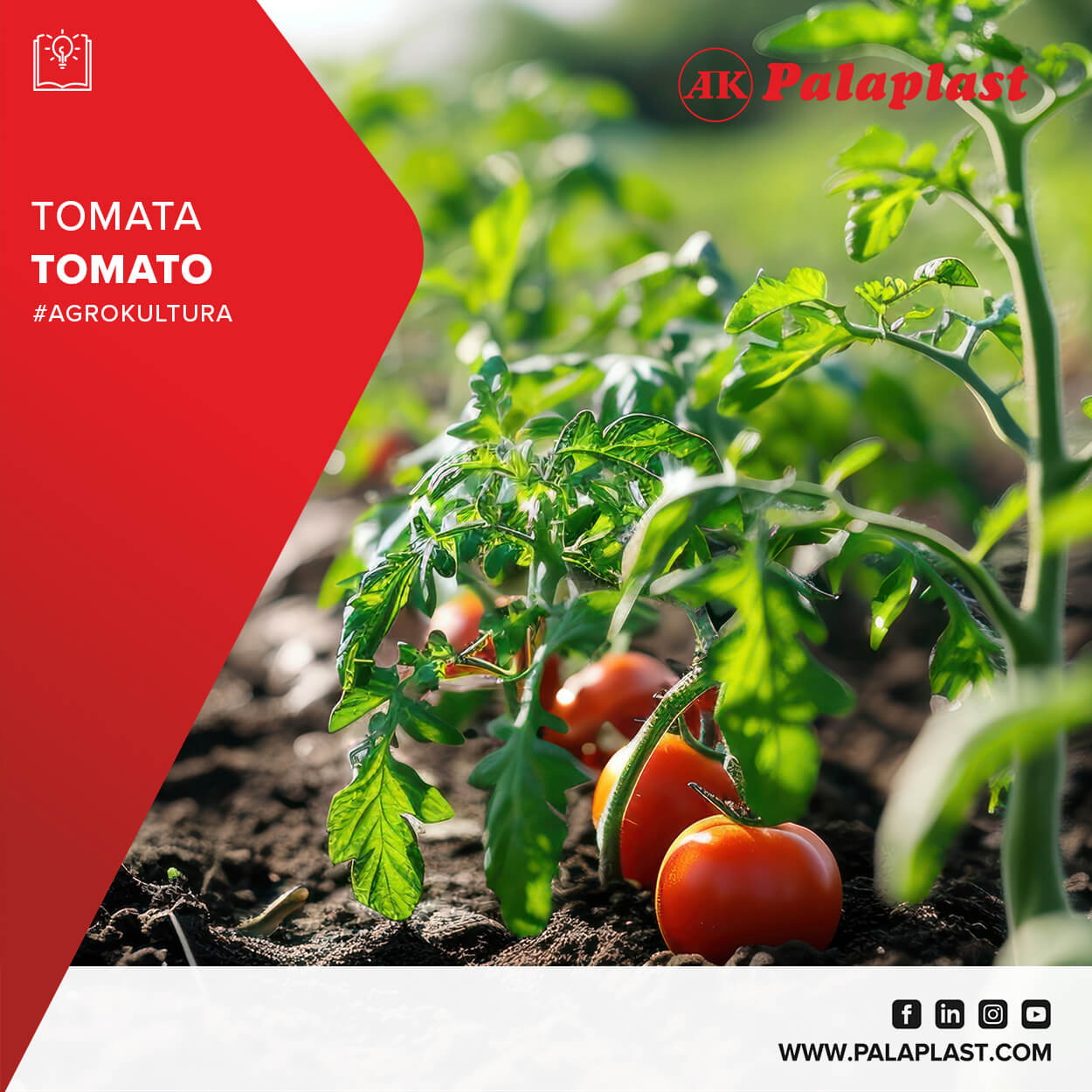
TOMATO: Outdoor cultivation characteristics and irrigation techniques.
Tomato (Solanum lycopersicum, Gen.: Solanaceae) is herbaceous annual, biennial and rarely perennial plant. Although tomatoes are botanically classified as fruits, their use in cooking and dietary habits has established them as vegetables, similar to pumpkins, aubergines, cucumbers, and peppers. Tomatoes are cultivated both outdoors and in greenhouses worldwide. Tomatoes originate from South America, specifically… Read More …
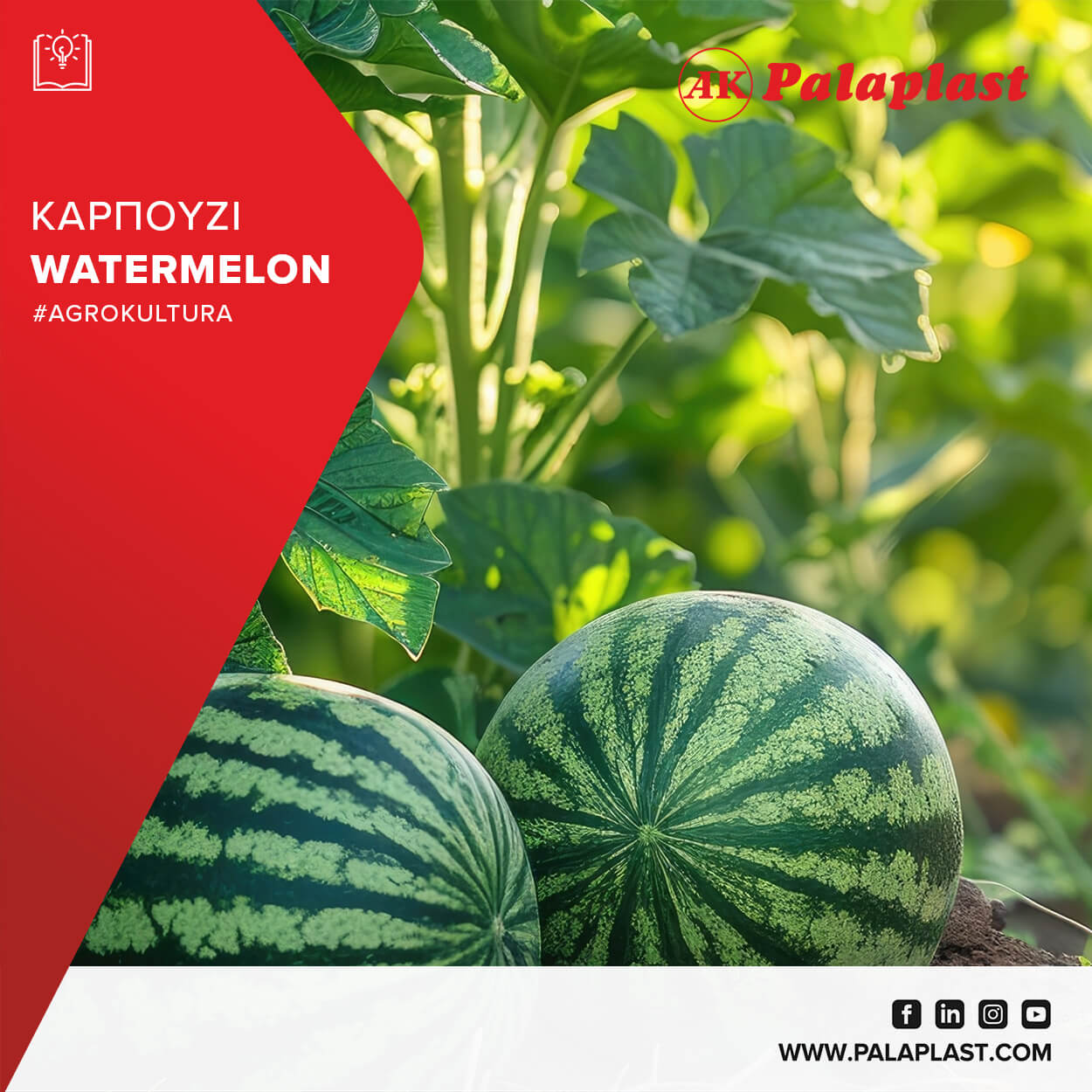
WATERMELON: Cultivation characteristics and irrigation techniques.
WATERMELON: Cultivation characteristics and irrigation techniques. Watermelon (Citrullus lanatus, Gen.: Cucurbitaceae) is an annual, creeping plant with a relatively deep root system. Watermelon belongs to the warm season crops and needs a period of 4 months without frost. The lowest soil temperature for watermelon growth is 21⁰C, while the ideal soil temperature is between… Read More …
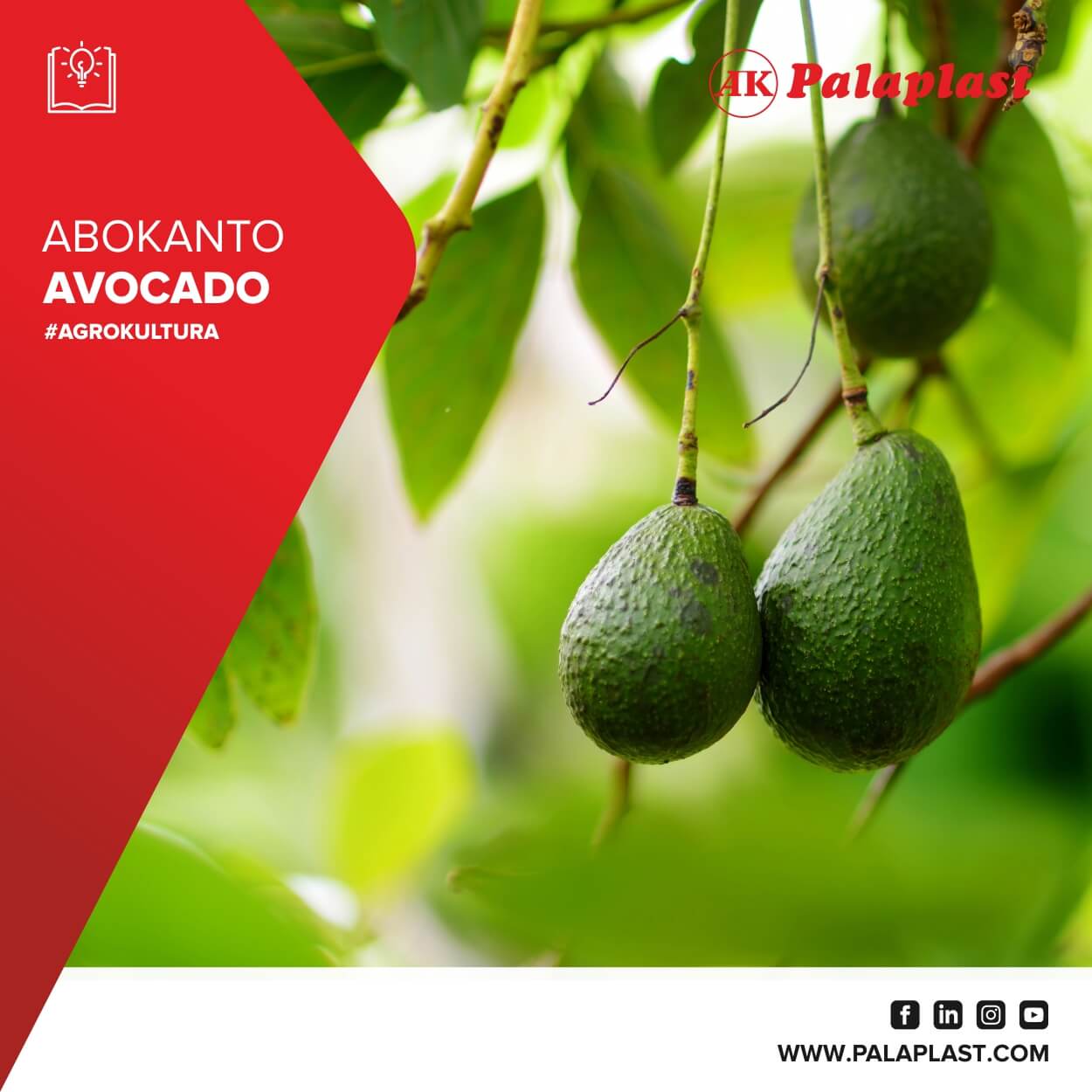
AVOCADO: Cultivation characteristics and irrigation techniques
AVOCADO: Cultivation characteristics and irrigation techniques Avocado (Persea americana, Gen.: Lauraceae) is an evergreen tree of the tropical regions of Mexico and Central America, which is subdivided into 3 botanical types: the Mexican type, which is the most cold-resistant, the Guatemalan type with less cold resistance, larger fruits and pleasant taste and the West… Read More …